Introduction
In the sprawling landscapes of Oregon's countryside, where rolling hills and dense forests meet, learning opportunities can sometimes feel as distant as the horizon. Yet, the advent of technology has made even the most remote corners of this beautiful state accessible to quality education. Central to this transformation is Voice over Internet Protocol (VoIP) technology, which has revolutionized how students and educators connect. In this article, we will explore The Benefits of Using VoIP Phones for Remote Education in Oregon’s Countryside, emphasizing how this technology fosters communication, collaboration, and learning.
What Are VoIP Phones?
Understanding VoIP Technology
Voice over Internet Protocol (VoIP) refers to a technology that allows voice communication and multimedia sessions through the internet rather than traditional phone lines. Essentially, it converts your voice into digital signals that travel over the internet. This enables users to make calls from anywhere in the world as long as they have an internet connection.
How Do VoIP Phones Work?
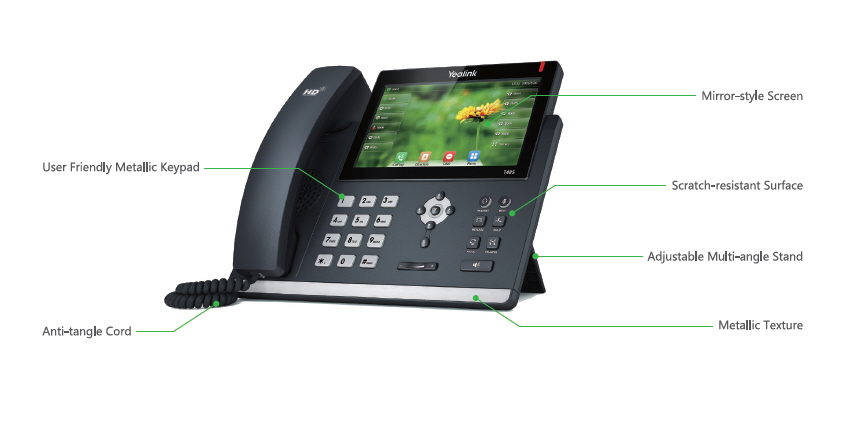
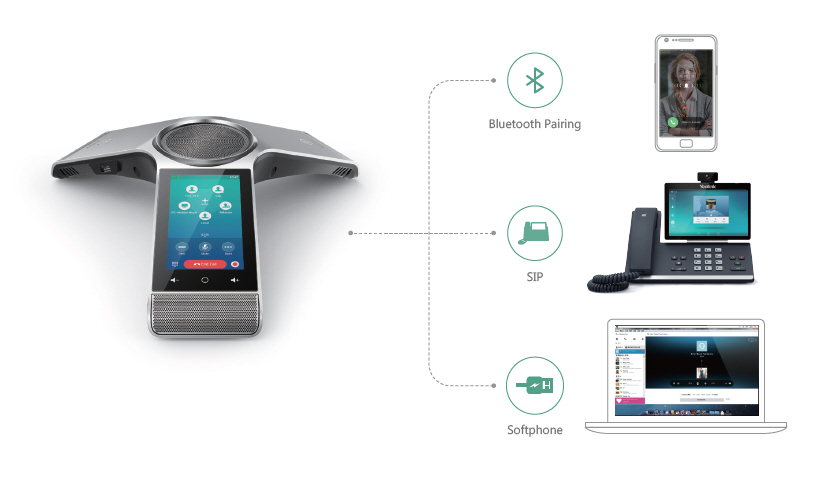
VoIP phones operate by connecting through broadband internet rather than conventional telephone networks. They can be hardware-based devices resembling traditional phones or software applications installed on computers and smartphones. When you speak into a VoIP phone, your voice is digitized, compressed, and sent over the internet to the recipient’s device.
Types of VoIP Systems
There are various types of VoIP systems available today:
- Hosted VoIP: This system is maintained by a third-party provider and allows businesses and educational institutions to focus on their core functions without worrying about infrastructure. On-Premises VoIP: Here, all equipment is managed locally, offering potentially greater control but requiring more maintenance. Mobile VoIP: Applications such as Skype or WhatsApp fall under this category, allowing users to make calls through their smartphones or tablets.
Why Choose VoIP Over Traditional Phone Systems?
With advantages like lower costs, scalability, flexibility, and advanced features like video conferencing and instant messaging, it’s clear why many organizations are making the switch to VoIP.
The Benefits of Using VoIP Phones for Remote Education in Oregon’s Countryside
Enhanced Communication Capabilities
One of the standout features of using VoIP phones for education is improved communication capabilities. Traditional phone systems often limit interactions due to high costs associated with long-distance calls. However, with VoIP technology:
- Students can easily connect with instructors no matter where they are located. Educators can conduct virtual office hours without worrying about phone bills. Group discussions can happen seamlessly via conference calling features.
These enhancements foster a collaborative atmosphere conducive to learning.
Cost-Effectiveness in Rural Areas
Education in rural regions often suffers from budget constraints. By shifting to a VoIP system:
Lower Costs: The per-minute cost for calling nationally or internationally drops significantly. Reduced Infrastructure Costs: There’s no need for extensive wiring; everything operates over existing internet connections. Scalable Solutions: As enrollment fluctuates, schools can easily add or remove lines without incurring hefty fees.This makes it easier for educational institutions in Oregon's countryside to allocate resources more effectively.
Accessibility Features for All Learners
VoIP phones provide vital accessibility features that cater to all learners:
- Text-to-speech options help visually impaired students engage with study materials. Video calling capabilities allow students who are deaf or hard of hearing to use sign language during lessons.
Such inclusivity ensures that every student has equal access to educational resources despite geographic constraints.
Improved Collaboration Among Educators
Collaboration among educators is crucial for maintaining curriculum standards and sharing best practices. With tools like video conferencing integrated into many VoIP systems, teachers can:
- Share lesson plans in real time. Discuss student progress effectively across different locations. Host professional development workshops online.
This level of collaboration enhances teaching methodologies across rural communities.
Technical Requirements for Adopting VoIP Technology
Internet Connectivity Options
VoIP Phones in PhilomathTo successfully implement VoIP phones, a reliable internet connection is critical. Here are some connectivity options available in Oregon's countryside:
DSL: Often available even in remote areas; provides decent speeds for small-scale educational needs. Cable Internet: Offers faster speeds but may not be accessible everywhere. Fiber Optics: Though limited in coverage currently, it provides top-tier speed and reliability when available.Hardware Needs for Schools
When adopting VoIP technology, schools must consider certain hardware requirements:
Desktop or laptop computers equipped with microphones and speakers SIP-enabled IP phones Headsets for remote learning environmentsInvesting in quality hardware ensures that both educators and students have an optimal experience while using VoIP services.
Training Staff on Using VoIP Systems
1. Importance of Training
It's essential that educators understand how to effectively utilize VoIP phones. Training sessions should cover:
- Basic operation of the system Troubleshooting common issues Effective online teaching strategies using VoIP
By empowering staff with knowledge about these tools, schools can maximize their potential benefits.
2. Continuous Support
Providing ongoing technical support ensures that teachers feel confident using new tools throughout their instructional practice.
Case Studies: Success Stories from Oregon's Countryside Schools
Several educational institutions across Oregon have already embraced VoIP technology with remarkable success stories emerging from their experiences:
1. Example School District A
In Example School District A located near Bend:
- Implementation of VoIP phones resulted in a 40% reduction in communication costs within one year. Both teachers and students reported enhanced satisfaction due to improved connectivity options during remote learning periods prompted by unforeseen circumstances (like natural disasters).
2. Example School District B
Example School District B focused on fostering collaboration among its faculty:
- Monthly video conferences led to shared resources among teachers, leading ultimately towards better student outcomes—proving once again that collaboration drives success!
Potential Challenges When Implementing VoIP Systems
While there are numerous benefits associated with adopting VoIP technology, some challenges remain prevalent:
1. Initial Setup Complexity
Transitioning from traditional systems may require significant upfront investment regarding setup costs—training staff adequately during this phase proves crucial!
2. Dependence on Internet Connectivity
If power outages occur frequently within rural areas or if broadband fails unexpectedly—this could hinder effective communication efforts through VoIPs.
Consideration should therefore be given toward backup solutions such as mobile hotspots whenever feasible!
FAQs About Using VoIPs for Remote Education
Q1: What do I need before setting up a VoIP system?
You’ll need reliable internet service providers along with compatible hardware like IP phones or headsets if you want audio/visual facilities integrated into your classes!
Q2: Is there any specific software required?
Most modern-day softphones enable easy integration while being user-friendly; popular choices include Zoom & Skype among others!
Q3: Can I use my existing phone number?
Yes! Many providers offer number porting so you don’t lose your established reputation amongst callers!
Q4: What happens if my internet goes down?
Backup solutions such as cellular data plans could come into play! Plus most systems allow continued usage via mobile apps during emergencies too!
Q5: How secure is my information on these platforms?
Reputable services utilize encryption methods ensuring sensitive data remains protected against unauthorized access at all times!
Q6: Are there training resources available?
Absolutely! Various webinars & tutorials exist catering specifically towards educators wanting deeper insights into maximizing functionality offered by these technologies!
Conclusion
In conclusion, embracing modern advancements like The Benefits of Using VoIP Phones for Remote Education in Oregon’s Countryside opens up vast possibilities not just limited solely towards improving communications but enhancing overall educational experiences too! With increased accessibility features alongside collaborative opportunities provided by this innovative tech—we pave our way towards building brighter futures filled with endless potential! So let's rally together—let's invest wisely & harness all these revolutionary benefits today!
By considering implementing VoIPs today—you’re investing not only into today's learning environments but also paving pathways forward towards future generations eager & ready tackle challenges head-on!